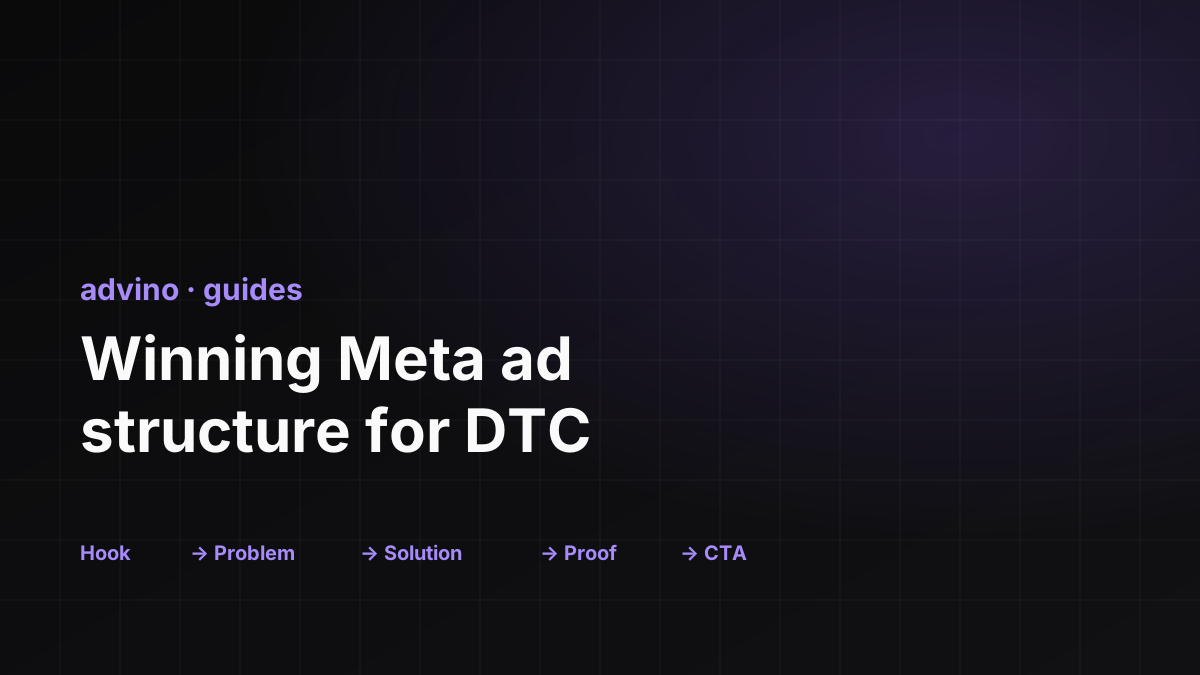
A winning Meta ad for a DTC brand follows a direct-response structure: hook, problem, solution, social proof, call to action. The hook stops the scroll in the first three seconds, the problem makes a cold viewer feel seen before they know it's an ad, the solution introduces the product as the way out with one clear claim, social proof makes it believable, and the CTA tells them exactly what to do. For cold traffic especially, lead with the problem, not the product — the viewer knows their pain, not your brand.
Key takeaways
- The structure that converts: Hook → Problem → Solution → Social proof → CTA.
- First 3 seconds decide it. A weak hook drains budget no matter how good the rest is.
- Problem-first for cold traffic. Name the pain before the product; it reads as relevant, not as an ad.
- Specific social proof beats superlatives — real numbers, timeframes, and before-states.
- UGC and transformation formats convert for DTC because they don't look like ads.
The anatomy of a winning DTC Meta ad
1. Hook (0–3 seconds)
The opening three seconds determine whether the ad converts or quietly burns budget. Lead with motion or a pattern interrupt, put a curiosity gap or the core promise on screen as text (most feeds autoplay muted), and make it feel native to the feed rather than like a polished TV spot. Because the hook carries so much weight, it's the one element worth measuring on its own — see our guide to hook rate benchmarks for what "good" looks like and how to read it.
2. Problem (3–8 seconds)
Cold traffic doesn't know your brand, but it knows its problem. Name that pain first and the ad feels relevant before the viewer registers it as advertising — a pattern interrupt that earns the next few seconds. Product-first ads to cold audiences tend to lose here because they ask for interest the viewer hasn't been given a reason to feel yet.
3. Solution (8–15 seconds)
Introduce the product as the exit ramp from the problem. Make one claim, not a feature list — the single most relevant reason this solves what you just named. A long list of benefits dilutes the message and loses the viewer you just hooked.
4. Social proof
Make it believable with specifics. "Down two sizes in six weeks" outperforms "amazing results." Credibility tracks precision, not enthusiasm — concrete numbers, timeframes, and before-states do more than any superlative. Reviews, ratings, and real customer language all work when they're specific.
5. Call to action (final seconds)
End with a direct instruction: "Try it free," "Get yours," "Shop the sale." Direct CTAs outperform soft ones like "learn more" for DTC, because the structure has already done the work of making the click feel earned.
Why UGC and transformation formats win for DTC
User-generated content works for one reason: it doesn't look like an ad. A real person with authentic delivery slips past the ad-blindness viewers have trained against polished production. Transformation UGC — a before/after arc with a real person — is the format that converts best for brands selling an outcome rather than a feature. If you write UGC scripts, Motion's guide to UGC ad scripts is a solid reference on structuring them around the same hook-problem-solution spine.
Don't ship one ad — ship a testing structure
The structure above is the starting hypothesis, not the answer. Winning DTC accounts test several hooks against the same body, rotate two or three real variations to spread frequency, and let the data pick. The discipline is in keeping the test readable: change one element at a time so you learn what actually moved performance, and give each variation enough spend to clear the noise before judging it.
How to tell a structure is actually working
Each part of the structure maps to a metric. The hook shows up in hook rate; the body shows up in hold rate and CTR; the offer and proof show up in conversion rate and CPA. Reading them together tells you where an ad is breaking — a great hook with a weak hold means the opening overpromised; a strong hold with a weak CTR-to-conversion means the offer or proof is soft. That's the logic behind scoring creatives on a weighted composite rather than one metric, which we cover in how to score a Meta creative, and watching it over time catches fatigue before it hits the report.
Advino's creative scoring rolls those signals into one 0–100 score per creative, nightly, on a flat $19–$299/mo plan — so you can see which structures are winning across every client account without rebuilding the report each week.
Frequently asked questions
What is the best structure for a DTC Facebook ad?
Hook → Problem → Solution → Social proof → CTA. Stop the scroll in the first three seconds, name the viewer's problem, introduce the product as the solution with one clear claim, prove it with specific social proof, and close with a direct call to action.
Should DTC ads be product-first or problem-first?
For cold traffic, problem-first. The viewer doesn't know your brand but does know their pain, so naming it first makes the ad feel relevant. Product-first can work for warm audiences who already recognize you.
Does UGC really outperform polished ads for DTC?
Often, yes, because UGC doesn't read as an ad and gets past ad-blindness. Transformation UGC with a real person tends to convert best for outcome-based products. Polished production still has a place, especially for brand-building, but for cold DTC prospecting native-feeling UGC usually wins.
How long should a DTC video ad be?
Long enough to move through the structure and no longer — many winning DTC ads land in the 15–30 second range, with the hook in the first three seconds and the CTA at the end. Let hold rate and conversion data, not a fixed length, guide trims.